Biofuel and SAF Production Funding
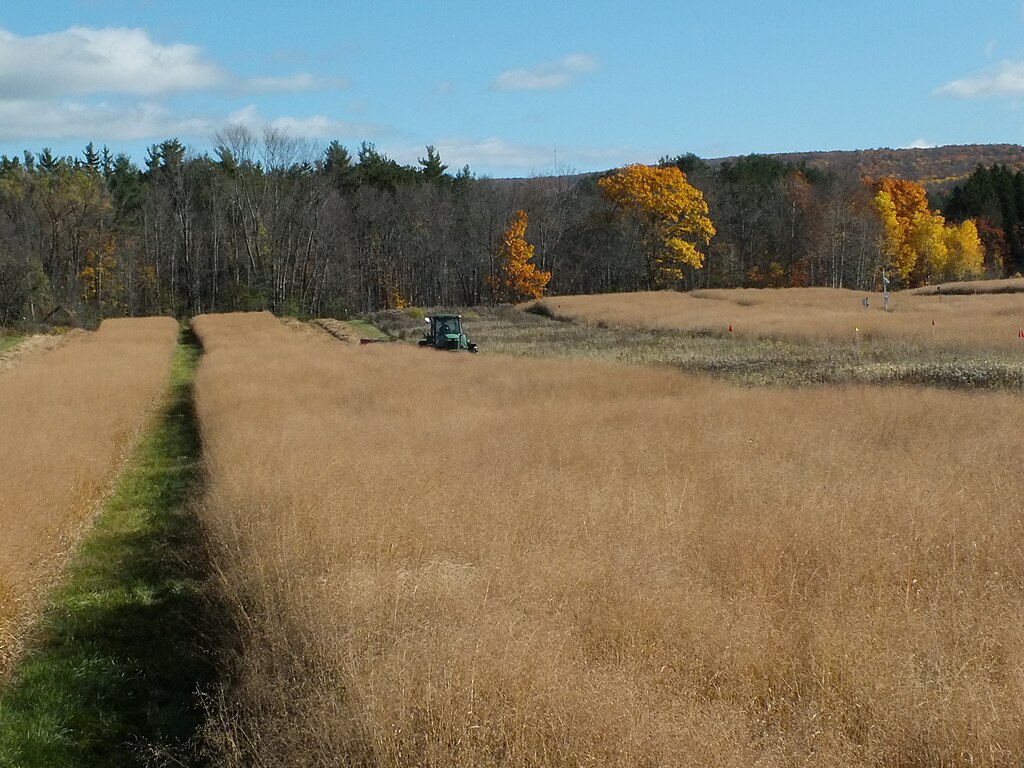
The table below displays grants, tax credits, loans, and other funding that support biofuels and SAF production in the United States.
We strive to provide accurate and timely information on grants. However, please note that we have not reviewed these funding sources in detail. Grants listed may or may not be currently available or applicable to your needs. Also note that many federal grant programs have been paused indefinitely pending DOGE and White House Administrative review. Federal programs listed have been available historically through 2024.
This table is updated monthly.
For a personalized funding strategy, please contact us using the form on our Home Page.
| Program | Funder | Funder Type | Funding Type | Uses | Eligibility | Geography | Deadlines | Award/Incentive | Info Link | QA Notes |
|---|---|---|---|---|---|---|---|---|---|---|
| Biorefinery, Renewable Chemical, and Biobased Product Manufacturing Program | USDA Rural Development | Federal Government | Loan Guarantee | Development, construction and retrofit of commercial-scale biorefineries using advanced-biofuel technologies | Borrowers can include individuals, public/private entities, corporations, tribes, cooperatives, state/local governments, universities and others; application runs through an eligible lender | U.S., including all 50 states and eligible territories | Rolling processing; next standard cycle April 1, 2027. Applications received after the October 1, 2026 cycle move to the subsequent cycle if funding is available | Loan guarantees up to $250 million; total federal participation limited to 80% of eligible project costs | Official USDA program page | Excellent commercial biofuel fit. USDA explicitly lists advanced biofuels and commercial-scale biorefineries. A significant cash-equity contribution is required. (Rural Development) |
| Clean Fuel Production Credit (§45Z) | U.S. Department of the Treasury / Internal Revenue Service | Federal Government | Tax Incentive | Domestic production and sale of qualifying SAF and other clean transportation fuels | Registered U.S. clean-fuel producers meeting facility, fuel, feedstock, sale and emissions requirements | United States | Available for qualifying fuel produced/sold through December 31, 2029 | Per-gallon/gallon-equivalent credit based on the applicable amount × emissions factor; total benefit varies with production | Official IRS program page | Major SAF/biofuel incentive. Fuel produced after Dec. 31, 2025 must use feedstocks produced/grown in the U.S., Canada or Mexico. Producer registration is required before qualifying production. Exact project-level benefit is not capped at a published $ amount. (IRS) |
| Biofuels Production Incentive | Natural Resources Canada | Federal Government | Other | Existing production of biodiesel and renewable diesel | Canadian-incorporated/registered for-profit or nonprofit entities that currently produce eligible biodiesel or renewable diesel, use North American feedstocks and sell into the Canadian market | Canada | Rolling through December 31, 2027 | Tiered per-litre non-repayable incentive; project-specific total undisclosed | Official NRCan program page | Strong operating-support opportunity, but not SAF-specific. Government funding includes a $372M initiative; actual recipient awards depend on eligible production. A June 2026 award to one producer was $1.6M, confirming awards can materially exceed your threshold. (Natural Resources Canada) |
| Business and Industry Guaranteed Loan | USDA Rural Development | Federal Government | Loan Guarantee | Construction, expansion, modernization, land, buildings, infrastructure, machinery, equipment, acquisitions and eligible refinancing | For-profit and nonprofit businesses, cooperatives, tribes, public bodies and individuals; project generally must be in an eligible rural area | United States | Rolling; lender applications accepted October 1–September 30 | FY2026 guarantee of 85% for loans under $5M and 80% for loans of $5M+; loan term up to 40 years | Official USDA program page | Broad rather than biofuel-specific, but commercial biofuel/SAF facilities can fit eligible industrial/business uses. Particularly useful for rural production facilities. |
| Title 17 Energy Financing Program – Renewable Fuels and Chemicals | U.S. Department of Energy, Office of Energy Dominance Financing | Federal Government | Loan/Financing | SAF, renewable diesel, renewable gasoline, ethanol, feedstock processing, conversion, logistics and commercial deployment | Commercial-scale projects satisfying applicable Title 17 category requirements | United States | Rolling application process; current 2026 guidance extends relevant Title 17 authority through FY2028 | Project-specific; undisclosed | Official DOE biofuels financing page | Excellent large-project fit. DOE explicitly identifies SAF, renewable diesel, renewable gasoline and ethanol. Innovative projects and certain conversions of existing energy infrastructure have separate pathways. |
| Sustainable Aviation Fuel Credit | Minnesota Department of Revenue / Minnesota Department of Agriculture | State | Tax Incentive | SAF production and blending | Taxpayers producing SAF in Minnesota or blending SAF in Minnesota and meeting statutory lifecycle-emissions requirements | Minnesota | SAF sold after June 30, 2024 and before July 1, 2035; certificate generally requested within two months after taxable-year close | $1.50/gallon, plus $0.02/gallon for each additional whole percentage-point CI reduction beyond 50%, capped at $2.00/gallon | Official Minnesota program page | Very strong SAF production incentive. Refundable. Fuel must also be sold for use in aircraft departing Minnesota. |
| Sustainable Aviation Fuel Credit | Massachusetts Department of Transportation / Department of Revenue | State | Tax Incentive | Purchase/use of qualifying SAF | Qualifying Massachusetts taxpayers purchasing SAF for aircraft departing Massachusetts airports | Massachusetts | Tax years beginning January 1, 2026 through December 31, 2030 | Lesser of qualifying jet-fuel excise paid or $1.50/gallon, increasing with additional GHG reduction up to $2.00/gallon; statewide credit cap $10M/year | Official Massachusetts tax guidance | New 2026 incentive. Direct claimant is generally the SAF purchaser rather than producer, but it can materially improve SAF market economics/offtake demand. |
| Sustainable Aviation Fuel Purchase Credit | Illinois Department of Revenue | State | Tax Incentive | Purchase/use of SAF by air carriers | Air common carriers purchasing qualifying SAF certified for use in Illinois | Illinois | Available through December 31, 2032 | $1.50 per whole gallon of qualifying SAF | Official Illinois guidance | Demand-side SAF incentive rather than direct producer funding. Potential value exceeds your $50K threshold at sufficient fuel volumes. |
| Low Carbon Fuel Standard – Credit Generation | California Air Resources Board | State | Other | Production/supply of qualifying low-carbon transportation fuels; approved fuel pathways and certain projects | Registered parties with qualifying fuels/pathways or projects under LCFS | California fuel market | Ongoing compliance-credit program | Marketable LCFS credits; dollar value is market-determined | Official CARB credit-generation page | Important biofuel revenue stream. Not a conventional grant. Biofuel economics depend heavily on pathway carbon intensity and generated credit volume. Total incentive is therefore undisclosed/project-specific. |
| Low Carbon Fuel Standard – Credit Market | Government of British Columbia | Province | Other | Supply of renewable and low-carbon fuels and other qualifying emissions-reduction activities | Registered organizations supplying qualifying low-carbon fuels or undertaking eligible activities | British Columbia | Ongoing | Tradable compliance credits; price is market-determined | Official B.C. LCFS credit-market page | Significant Canadian biofuel monetization mechanism. B.C. reports more than C$600M of LCFS credit value traded in 2024. Individual project benefit is undisclosed and depends on fuel CI and volume. |
| Alberta Agri-Processing Investment Tax Credit | Alberta Agriculture and Irrigation | Province | Tax Incentive | Construction/expansion of biofuel, biomass, SAF and other value-added agricultural processing facilities; eligible capital expenditures | Corporations and registered partnerships investing at least C$10M in a qualifying Alberta facility | Alberta | Rolling application/conditional-approval process | 12% of eligible capital expenditures; up to C$175M per project | Official Alberta program page | Excellent fit. Alberta explicitly lists biofuel, biomass and sustainable aviation fuel production as eligible industries. |
| Strategic Response Fund | Innovation, Science and Economic Development Canada | Federal Government | Other | Large-scale R&D, commercialization, cleantech, industrial transformation, facility/equipment investment and business expansion | Canadian for-profit businesses, cooperatives and qualifying nonprofit/network applicants | Canada | Ongoing consultation and application process | Minimum C$10M contribution for projects with at least C$20M in eligible costs; amount determined case-by-case | Official ISED program page | Strong large-project lead. Clean technology remains an investment priority; historical SRF/SIF awards include a disruptive biorefinery technology project. Biofuel eligibility is project-specific rather than automatic. |
| Innovation Employment Grant | Government of Alberta | Province | Grant | Scientific research and experimental development conducted in Alberta, including qualifying technology/process R&D | Qualifying Alberta corporations, principally SMEs meeting the program’s tax/R&D requirements | Alberta | Claimed through applicable corporate tax filing | 8% of qualifying expenditures plus potentially another 12% above the base level — up to 20% | Official Alberta tax program page | Applicable to qualifying biofuel/SAF R&D rather than routine commercial production. Amount is expenditure-driven and therefore project-specific. |
| Climate Action Fund | Manitoba Environment and Climate Change | Province | Grant | Projects reducing GHG emissions, increasing clean-energy technologies or improving climate resilience | Manitoba businesses, nonprofits, municipalities, Indigenous organizations, academic institutions and other eligible entities | Manitoba | October 8, 2026, 11:59 p.m. CDT | Up to C$150,000 | Official Manitoba grants page | Immediate deadline. Broad climate program rather than biofuel-specific. A biofuel project needs a credible GHG-reduction/clean-energy case. |
| Sustainable Aviation Fuel Production Tax Credit Program | Iowa Economic Development Authority | State | Tax Incentive | Production of qualifying SAF from eligible feedstock processed/refined in Iowa | Eligible businesses producing SAF at facilities physically located in Iowa and meeting ≥50% lifecycle GHG-reduction requirement | Iowa | February 15–March 15 annually, beginning February 15, 2027 | $0.25/gallon; up to $1,000,000 per business/year; refundable | Official Iowa statute | Excellent direct SAF fit. Applies to SAF produced during 2026–2035. Credits are competitive; maximum 5 certificates per eligible business. |
| Clean Fuel Standard – Credit Generation | Washington Department of Ecology | State | Other | Production/supply of low-carbon fuels including biofuels, renewable diesel and alternative jet fuel | Producers and suppliers registering in Washington’s fuel-reporting system and obtaining applicable CI pathways | Washington | Ongoing | Tradable credits; value depends on CI, volumes and market price; undisclosed/project-specific | Official Washington credit-generation page | Active biofuel monetization opportunity. Low-carbon fuel producers may generate credits that can be sold, banked or used for compliance. Alternative jet fuel can opt in. |
| Business Scale-up and Productivity – Prairie Provinces | Prairies Economic Development Canada | Federal Government | Loan/Financing | Commercialization, demonstration, production scale-up, manufacturing capacity, new technologies and productivity improvements | Incorporated high-growth businesses operating staffed facilities in Alberta, Saskatchewan or Manitoba for ≥2 years | Alberta, Saskatchewan, Manitoba | Rolling/continuous intake | C$200,000–C$5 million per project, interest-free repayable contribution; up to 50% of eligible costs; C$10M lifetime organization maximum | Official PrairiesCan program page | Strong commercial biofuel/SAF fit where technology is being commercialized or production scaled. Requires at least 50% confirmed non-government project funding. |
| Scientific Research and Experimental Development Investment Tax Credit | Canada Revenue Agency | Federal Government | Tax Incentive | Experimental development, applied research and qualifying R&D expenditures, including process and technology development | Corporations, individuals, trusts and eligible partners conducting qualifying SR&ED in Canada | Canada | Claimed with applicable annual tax return | 15% basic ITC; up to 35% enhanced ITC on qualifying expenditures; enhanced expenditure limit now up to C$6 million/year for qualifying entities | Official CRA SR&ED ITC page | Relevant to biofuel/SAF R&D, especially novel pathways, catalysts, pretreatment, fermentation, upgrading and process optimization. Actual value depends on qualifying R&D expenditure and claimant type. |
| Advanced Biofuel Payment Program | USDA Rural Development | Federal Government | Other | Production and sale of advanced biofuels | Any entity producing and selling qualifying advanced biofuel, including businesses, nonprofits, governments and educational entities | United States | Open/Recurring; annual enrollment generally begins in October. Current USDA open-funding index lists program as open, but FY2027 national enrollment notice has not yet been located | Undisclosed; USDA states there is no minimum or maximum payment | Official USDA funding page | Very strong direct biofuel fit. USDA received $7M for the FY2026 payment round and the program was reauthorized beyond FY2026. USDA pages currently conflict somewhat on state-level status, so applicants should confirm FY2027 enrollment with their Rural Development Energy Coordinator. (Rural Development) |
| Advanced Biofuel Production Incentive Program | Minnesota Department of Agriculture | State | Other | Commercial production of qualifying advanced biofuels | Existing or qualifying new Minnesota production facilities meeting feedstock, production-volume, timing and RFS requirements | Minnesota | Ongoing production payments for eligible enrolled facilities; payments may continue through June 30, 2035 | $2.1053/MMBtu for cellulosic biomass and $1.053/MMBtu for sugar/starch pathways; eligible production capped at equivalent of 2.85M MMBtu/year per producer | Official Minnesota program page | Excellent direct advanced-biofuel incentive. Conventional corn ethanol and conventional biodiesel are excluded. Eligibility is limited to facilities meeting statutory startup/timing requirements; this is more useful to qualifying existing/recent facilities than a brand-new 2026 greenfield plant. (Minnesota Department of Agriculture) |
| Clean Fuels Program | Oregon Department of Environmental Quality | State | Other | Production/import and sale of low-carbon transportation fuels; fuel-pathway credit generation | Registered in-state or out-of-state alternative-fuel producers, importers and other qualifying parties | Oregon fuel market | Ongoing | Tradable clean-fuel credits; value is market-determined/undisclosed | Official Oregon Clean Fuels reporting and registration page | Strong biofuel monetization mechanism. Oregon explicitly provides registration for producers and out-of-state producers, fuel-pathway reporting and credit transactions. Q1 2026 program data confirm current operation. (Oregon) |
| Ethanol Retailer Tax Credit | Kansas Department of Revenue | State | Tax Incentive | Retail sale of qualifying higher-ethanol blends | Kansas retail dealers selling qualifying higher ethanol blends through metered pumps | Kansas | Tax years 2026–2028 | $0.05/gallon; statewide annual cap $2.5M; unused credit can carry forward 3 years | Official Kansas tax notice | New 2026 incentive. Demand-side rather than producer capital. It reaches your $50K threshold at 1M qualifying gallons/year. Credit is nonrefundable and may be prorated if statewide claims exceed the cap. (Kansas Department of Revenue) |
| Sun Grant Program | USDA National Institute of Food and Agriculture | Federal Government | Grant | Biofuel, bioenergy and biomass R&D, education, extension and regional competitive subgrants | Consortium of 1862, 1890 and 1994 land-grant universities representing Sun Grant regions; downstream regional subgrants may have broader applicant pools | United States | Closed/Recurring; FY2026 closed August 17, 2026; next cycle not yet announced | FY2026 award: $2,801,160 to the qualifying consortium; regional competitive subgrants derive from program funding | Official NIFA Sun Grant page | Strong R&D rather than commercial-plant funding. Program expressly supports biobased energy technologies and bioenergy/biomass research. Best route for a commercial company may be partnership with a participating university or a regional Sun Grant subaward. (Nation Institute of Food and Agriculture) |
| Renewable Fuels Production Tax Credit | Hawaii Department of Taxation | State | Tax Incentive | Production and sale/distribution of qualifying renewable fuels, potentially including renewable diesel, ethanol, SAF and other qualifying renewable fuels | Hawaii taxpayers producing at least 2.5 billion BTU/year of qualifying renewable fuel meeting lifecycle-emissions requirements | Hawaii | Ongoing tax credit; claimed during qualifying 10-year credit period | $0.20 per 76,000 BTU; up to $3.5M per taxpayer per taxable year | Official Hawaii statute | Strong direct producer incentive. Fuel must be sold for distribution in Hawaii and have lifecycle emissions below fossil fuel. Hawaii’s current tax-form index continues to list Form N-360 for this credit. |
| Sales and Use Tax Exclusion Program | California Alternative Energy and Advanced Transportation Financing Authority | State | Tax Incentive | Machinery, equipment and certain infrastructure for renewable-fuel manufacturing, advanced manufacturing, recycled-feedstock processing and alternative-energy products | Manufacturers constructing, expanding or upgrading qualifying California manufacturing facilities | California | Closed/Recurring; 2026 application rounds ended Aug. 28, 2026; program authorized through Jan. 1, 2028 | Generally up to $10M STE per applicant/year, with competitive pathways permitting total awards up to $20M under specified conditions | Official CAEATFA STE page | Strong renewable-fuel manufacturing fit. CAEATFA expressly defines facilities producing renewable fuels as an eligible “Alternative Source.” Monitor for 2027 application periods. |
| Ontario Made Manufacturing Investment Tax Credit / Expanded OMMITC | Ontario Ministry of Finance | Province | Tax Incentive | Buildings, machinery and equipment used in manufacturing or processing | CCPCs qualify for refundable version; qualifying non-CCPC corporations with an Ontario permanent establishment may use expanded non-refundable version | Ontario | Eligible investments generally through Dec. 31, 2029; claimed through corporate income-tax return | 15% of eligible expenditures up to C$20M/year = up to C$3M/year | Official Ontario program page | Strong broad manufacturing incentive. Not biofuel-specific, but a qualifying Ontario biofuel/SAF production facility can potentially benefit where its buildings/equipment satisfy manufacturing/processing and CCA requirements. |
| Canada Growth Fund | Canada Growth Fund Inc. / CGF Investment Management | Other | PRI/Impact Investment | Commercial deployment and scale-up of low-carbon projects, clean technology and low-carbon supply chains, expressly including biofuels | Canadian projects and companies fitting CGF’s investment mandate; investments evaluated transaction-by-transaction | Canada | Rolling investment evaluation; no fixed solicitation deadline published | Project-specific; undisclosed. CGF is a C$15B fund and uses debt, equity, hybrid instruments and other structures | Official CGF investment strategy | Excellent large-project SAF/biofuel capital lead. Official investment criteria expressly list biofuels. This is investment capital, not a grant, and project economics/scale must support institutional investment. |
| Renewable Fuels Production Tax Credit | Hawaii Department of Taxation | State | Tax Incentive | Production and sale/distribution of qualifying renewable fuels, potentially including renewable diesel, ethanol, SAF and other qualifying renewable fuels | Hawaii taxpayers producing at least 2.5 billion BTU/year of qualifying renewable fuel meeting lifecycle-emissions requirements | Hawaii | Ongoing tax credit; claimed during qualifying 10-year credit period | $0.20 per 76,000 BTU; up to $3.5M per taxpayer per taxable year | Official Hawaii statute | Strong direct producer incentive. Fuel must be sold for distribution in Hawaii and have lifecycle emissions below fossil fuel. Hawaii’s current tax-form index continues to list Form N-360 for this credit. |
| Sales and Use Tax Exclusion Program | California Alternative Energy and Advanced Transportation Financing Authority | State | Tax Incentive | Machinery, equipment and certain infrastructure for renewable-fuel manufacturing, advanced manufacturing, recycled-feedstock processing and alternative-energy products | Manufacturers constructing, expanding or upgrading qualifying California manufacturing facilities | California | Closed/Recurring; 2026 application rounds ended Aug. 28, 2026; program authorized through Jan. 1, 2028 | Generally up to $10M STE per applicant/year, with competitive pathways permitting total awards up to $20M under specified conditions | Official CAEATFA STE page | Strong renewable-fuel manufacturing fit. CAEATFA expressly defines facilities producing renewable fuels as an eligible “Alternative Source.” Monitor for 2027 application periods. |
| Ontario Made Manufacturing Investment Tax Credit / Expanded OMMITC | Ontario Ministry of Finance | Province | Tax Incentive | Buildings, machinery and equipment used in manufacturing or processing | CCPCs qualify for refundable version; qualifying non-CCPC corporations with an Ontario permanent establishment may use expanded non-refundable version | Ontario | Eligible investments generally through Dec. 31, 2029; claimed through corporate income-tax return | 15% of eligible expenditures up to C$20M/year = up to C$3M/year | Official Ontario program page | Strong broad manufacturing incentive. Not biofuel-specific, but a qualifying Ontario biofuel/SAF production facility can potentially benefit where its buildings/equipment satisfy manufacturing/processing and CCA requirements. |
| Canada Growth Fund | Canada Growth Fund Inc. / CGF Investment Management | Other | PRI/Impact Investment | Commercial deployment and scale-up of low-carbon projects, clean technology and low-carbon supply chains, expressly including biofuels | Canadian projects and companies fitting CGF’s investment mandate; investments evaluated transaction-by-transaction | Canada | Rolling investment evaluation; no fixed solicitation deadline published | Project-specific; undisclosed. CGF is a C$15B fund and uses debt, equity, hybrid instruments and other structures | Official CGF investment strategy | Excellent large-project SAF/biofuel capital lead. Official investment criteria expressly list biofuels. This is investment capital, not a grant, and project economics/scale must support institutional investment. |
| Value-Added Program – Stream B | Alberta Agriculture and Irrigation | Province | Grant | Processing-capacity expansion, new product/process development, capital equipment, market development | Alberta bio-industrial or food processors converting agricultural products into value-added products; Stream B applicants require at least C$1M annual sales | Alberta | November 9, 2026, 11:59 p.m. | Over C$50,000 to C$250,000; eligible capital generally 25% cost share | Official Alberta program page | Conditional biofuel fit. Particularly relevant where an ethanol, renewable diesel, SAF intermediate or other biofuel facility processes agricultural feedstocks. |
| Advanced Manufacturing and Innovation Competitiveness Stream | Ontario Ministry of Economic Development, Job Creation and Trade | Province | Loan/Financing | Capital equipment, technology adoption, production capacity, process modernization and advanced manufacturing | Established Ontario advanced-manufacturing companies; generally ≥3 years operating history, ≥10 employees, ≥C$500K project investment and job/upskilling commitments | Ontario | November 5, 2026 current intake; next intake Jan. 28–Apr. 27, 2027 | Up to 15% of eligible costs; interest-free loan up to C$5M; qualifying grants up to C$500K or C$1.5M in specific cases | Official Ontario AMIC page | Strong advanced-biofuel manufacturing lead. Ontario has already used AMIC to support a C$165M biofuel facility converting organics into RNG. Stand-alone waste-management projects are excluded, so project structure matters. |
| Business Scale-up and Productivity – Northern Ontario | Federal Economic Development Agency for Northern Ontario | Federal Government | Loan/Financing | Technology demonstration, commercialization, manufacturing-capacity expansion, equipment, process improvement and productivity | Incorporated SMEs and Indigenous businesses/organizations with project benefits in Northern Ontario | Northern Ontario | Applications assessed as received; limited budget availability | Generally repayable contribution of up to C$500,000, normally up to 50% of eligible project costs | Official FedNor BSP page | Good commercialization/scale-up route for established biofuel or SAF businesses. FedNor currently warns that budget availability is limited, so applicants should contact a FedNor officer before filing. |
| Inclusive Diversification and Economic Advancement in the North | Canadian Northern Economic Development Agency | Federal Government | Other | Business scale-up, innovation, processing capacity, productivity, economic infrastructure and sector development | Businesses, individuals, governments, social enterprises and other eligible northern entities | Yukon, Northwest Territories, Nunavut | Continuous intake plus targeted calls | Undisclosed; grants and contributions are available project-by-project | Official CanNor IDEANorth guidelines | Broad rather than biofuel-specific, but potentially relevant to northern biofuel/feedstock processing or local-fuel production projects. CanNor’s 2026–27 plan specifically continues business-scale-up and production/processing-capacity investment. |
| Biodiesel or Green Diesel Production Tax Credit | North Dakota Office of State Tax Commissioner | State | Tax Incentive | Construction of a new biodiesel/green-diesel facility or retrofit/addition of production or blending equipment | Corporations incurring qualifying direct costs at a North Dakota facility producing or blending diesel containing at least 2% biodiesel or green diesel | North Dakota | Ongoing; claimed through corporate income-tax return beginning in year production/blending starts | 10% of qualifying direct costs per year for 5 years; maximum cumulative credit $250,000 | Official North Dakota program page | Strong direct production/capital incentive. Current Tax Commissioner site still lists the credit as available. (ND Tax Commissioner) |
| Biodiesel or Green Diesel Fuel Blending Tax Credit | North Dakota Office of State Tax Commissioner | State | Tax Incentive | In-state blending of qualifying biodiesel/green diesel | North Dakota-licensed fuel suppliers/wholesalers blending qualifying B5+ fuel | North Dakota | Ongoing; claimed through applicable state income-tax return | $0.05/gallon blended; maximum cumulative credit $250,000 | Official North Dakota blending-credit page | Demand/blending incentive rather than plant-development funding, but directly supports biodiesel/green-diesel market economics. (ND Tax Commissioner) |
| Agricultural Commodity Processing Facility Investment Tax Credit | North Dakota Office of State Tax Commissioner / Department of Commerce | State | Tax Incentive | Equity investment in certified agricultural commodity-processing facilities | Taxpayers investing cash or qualifying real property for an ownership interest in a certified North Dakota processing facility | North Dakota | Ongoing; certification required | 30% of qualifying investment; up to $50,000 usable per year and $250,000 cumulative per taxpayer | Official North Dakota investment-credit page | Relevant to biofuel facilities using agricultural commodities. North Dakota tax guidance expressly recognizes biofuel production facilities producing biodiesel/green diesel or corn/cellulosic ethanol in this incentive framework. (ND Tax Commissioner) |
| Saskatchewan Technology Fund | Saskatchewan Ministry of Environment / Innovation Saskatchewan | Province | Grant | Industrial technology, fuel switching, efficiency and other projects reducing Scope 1 or Scope 2 GHG emissions | Saskatchewan OBPS-regulated emitters with an established facility baseline | Saskatchewan | Closed/Recurring; intake dates announced directly to regulated emitters; next public deadline undisclosed | Project-specific; undisclosed | Official Saskatchewan Technology Fund page | Potential fit for an existing regulated biofuel/SAF facility undertaking emissions-reduction capital work. Saskatchewan awarded C$47.5M across nine projects in the second intake, and its 2026–27 budget continues Technology Fund spending. (Government of Saskatchewan) |
| Biodiesel and Renewable Diesel Tax Credit | Kentucky Department of Revenue | State | Tax Incentive | Production and blending of biodiesel and production of qualifying renewable diesel | Qualifying Kentucky taxpayers producing or blending eligible fuel | Kentucky | Annual application; Schedule BIO due January 15 following the production year | $1.00/gallon; biodiesel/renewable diesel credits share a $10M annual statewide cap with applicable related credits | Official Kentucky program page | Excellent direct producer incentive. Nonrefundable; approved credits may be prorated when aggregate claims exceed the statewide cap. (Department of Revenue) |
| Cellulosic Ethanol Tax Credit | Kentucky Department of Revenue | State | Tax Incentive | Production of cellulosic ethanol | Kentucky taxpayers producing cellulosic ethanol in-state to applicable ASTM standards | Kentucky | Annual application due January 15 following the production year | $1.00 per gallon; $5M annual statewide cap, subject to proration | Official Kentucky Cellulosic Ethanol Tax Credit page | Excellent direct cellulosic-fuel fit. Nonrefundable and no carryforward. Laboratory documentation is required. (Department of Revenue) |
| Nebraska Higher Blend Tax Credit | Nebraska Department of Revenue | State | Tax Incentive | Retail sale of E15 and higher ethanol blends | Nebraska retail motor-fuel dealers selling qualifying higher-ethanol blends through retail pumps | Nebraska | Applications continue through December 31, 2028; annual funding is first-come/subject to statewide cap | $0.08/gallon in 2026; $0.07 in 2027; $0.05 in 2028; $5M annual statewide cap | Official Nebraska Higher Blend Tax Credit page | Demand-side ethanol incentive rather than production capital. Current 2026 applications already exceed $5.49M requested, confirming material utilization. (Nebraska Department of Revenue) |
| Clean Industry Fund – Emissions Performance | British Columbia Ministry of Energy and Climate Solutions | Province | Grant | Commercially available equipment/technology that reduces industrial GHG emissions, including fuel/process changes and efficiency projects | B.C. operations regulated under the Output-Based Pricing System; new OBPS entrants excluded | British Columbia | Closed/Recurring; 2026 intake closed May 22, 2026 | Up to C$10M per project under the 2026 Emissions Performance stream | Official B.C. Clean Industry Fund application page | Conditional biofuel/SAF fit for an existing regulated production facility undertaking emissions-reduction capital work. B.C. continues making awards and has operated CIF since 2019. (Government of British Columbia) |
| Alternative and Clean Energy Program | Pennsylvania Commonwealth Financing Authority / DCED / DEP | State | Grant | Development, construction and utilization of alternative/clean-energy production projects and associated infrastructure | Businesses, economic-development organizations and political subdivisions undertaking qualifying Pennsylvania alternative/clean-energy projects | Pennsylvania | Rolling/program application process; no single current annual deadline published | Grants up to $2M or 30% of project costs; loans up to $5M or 50%; guarantees up to $5M | https://dced.pa.gov/programs/alternative-clean-energy-program-ace/ | Strong potential biofuel-production fit. Eligible alternative-energy production projects can receive both grants and loans. At least $1 of matching investment is required for every $1 of program funds. |
| Alternative Fuels Incentive Grant | Pennsylvania Department of Environmental Protection | State | Grant | Biodiesel, ethanol and other advanced-biofuel vehicles, fueling infrastructure, R&D, demonstration and next-phase technology | Pennsylvania businesses, nonprofits, municipalities, school districts and other qualifying entities | Pennsylvania | Closed/Recurring; 2026 closed October 7, 2026; officially anticipated to reopen winter 2027 | Up to $300,000 per individual application and $500,000 total per applicant | https://www.pa.gov/agencies/dep/programs-and-services/grants-loans-rebates/alternative-fuels-incentive-grant | Direct biofuel-market and technology fit. Official program expressly includes biodiesel, ethanol, methanol and other advanced biofuels. Best for fueling/deployment/R&D rather than construction of a commercial fuel-production plant. |
| Manufacturing Investment Tax Credit | Manitoba Department of Finance | Province | Tax Incentive | Buildings, plant, machinery and equipment used in qualifying manufacturing or processing | Corporations acquiring qualifying manufacturing/processing property for use in Manitoba | Manitoba | Ongoing; claimed through applicable corporate tax filing | Generally 8% of qualifying capital cost; structure changed July 1, 2026 for equipment receiving Manitoba’s new RST exemption | https://www.gov.mb.ca/finance/business/ccredits.html | Strong broad manufacturing incentive. Potentially applicable to qualifying biofuel/SAF processing facilities. For certain equipment purchased after July 1, 2026, the 7% benefit is effectively delivered through upfront RST exemption with the 1% non-refundable tax-credit component remaining; other qualifying assets can retain the full 8% credit treatment. |
| Small Agri-Biodiesel Producer Credit | Internal Revenue Service / U.S. Treasury | Federal Government | Tax Incentive | Production and qualifying sale/use of agri-biodiesel | Registered small agri-biodiesel producers with productive capacity no greater than 60M gallons/year; credit applies to up to 15M gallons of qualifying production | United States | Available through December 31, 2026 | $0.20/gallon for qualifying fuel sold/used after June 30, 2025 and before Jan. 1, 2027 | Official IRS instructions | Direct producer incentive. Post-June-2025 fuel must be exclusively derived from feedstock produced/grown in the U.S., Canada or Mexico. Renewable diesel itself does not qualify for this particular small-producer credit. (IRS) |
| Sustainable Aviation Fuel Production Facility Tax Credit | Colorado Energy Office / Colorado Department of Revenue | State | Tax Incentive | Construction, reconstruction or erection of SAF production facilities and certain directly enabling facilities | SAF producers, aviation businesses and airports constructing qualifying Colorado SAF facilities | Colorado | Current for 2026; repealed for tax years beginning Jan. 1, 2027 | 30% of qualifying facility construction cost for construction beginning before Jan. 1, 2027; statewide 2026 certificate cap $2M | Official Colorado General Assembly program law summary | Excellent but highly time-sensitive SAF capital incentive. Refundable if credit exceeds income-tax liability. Colorado enacted repeal effective Jan. 1, 2027, so 2026 is effectively the final year under this facility-credit structure. (Colorado Legislative Council) |
| Sustainable Aviation Fuel Facility Sales and Use Tax Exemption | Minnesota Department of Revenue / State of Minnesota | State | Tax Incentive | Materials, supplies and equipment incorporated into construction, reconstruction or improvement of SAF production/blending facilities | Owner/developer of qualifying Minnesota SAF production or blending facility | Minnesota | Future announced incentive: qualifying purchases after June 30, 2027 and before July 1, 2034 | Sales/use-tax exemption; total benefit undisclosed/project-specific | Official Minnesota statute | Separate from Minnesota’s SAF production tax credit already in the list. Applies proportionally where a facility produces both SAF and other fuels. Not usable for purchases made today; include as an officially enacted future incentive. (MN Revisor’s Office) |
| B.C. Manufacturing and Processing Investment Tax Credit | Government of British Columbia | Province | Tax Incentive | New manufacturing/processing buildings, machinery and equipment | CCPCs with a permanent establishment in B.C. using qualifying property primarily to manufacture/process goods for sale or lease | British Columbia | Ongoing; eligible expenditures after Mar. 31, 2026 and before Apr. 1, 2036 | 15% refundable credit on up to C$2M of eligible expenditures = up to C$300K, with phase-down after Mar. 31, 2031 | Official B.C. program page | Good biofuel/SAF plant fit where production qualifies as manufacturing/processing. New 2026 incentive. |
| Manufacturing and Processing Investment Tax Credit | Government of Saskatchewan / CRA | Province | Tax Incentive | Qualifying manufacturing/processing machinery and equipment | Taxable corporations using qualifying property primarily for Saskatchewan manufacturing or processing | Saskatchewan | Ongoing; claimed with corporate tax return | 6% of qualifying capital cost; fully refundable | Official CRA program page | Broad manufacturing incentive rather than fuel-specific. Potentially applicable to qualifying ethanol, renewable-diesel or SAF production equipment. |
| Investment and Growth Fund | Alberta Jobs, Economy, Trade and Immigration | Province | Grant | New plants, major expansions and capital investment | Established for-profit companies considering a significant Alberta investment and facing a demonstrable barrier to final investment decision | Alberta | Invite-only / rolling deal-closing process | C$500K–C$10M grant, not exceeding 50% of budgeted capital expenditures | Official Alberta program page | Potentially excellent large-project fit. Not biofuel-specific, but applicable to major qualifying industrial investments. Invite-only and highly selective. |
| Eastern Ontario Development Fund | Ontario Ministry of Economic Development, Job Creation and Trade | Province | Loan/Financing | Business expansion, productivity, innovation, equipment and new-market projects | Established businesses meeting operating-history, employment, investment and job-creation requirements | Eastern Ontario | Next intake opens Nov. 3, 2026; deadline Jan. 21, 2027 | Up to 15% of eligible costs; interest-free loan up to C$5M; up to C$500K may be forgiven; certain grants up to C$1.5M | Official Ontario program page | Good potential production-scale-up route for qualifying biofuel/SAF manufacturers. Primary agriculture and electricity generation are excluded, but manufacturing is not. |
| Southwestern Ontario Development Fund | Ontario Ministry of Economic Development, Job Creation and Trade | Province | Loan/Financing | Manufacturing expansion, productivity, innovation, equipment and job creation | Established businesses meeting operating-history, employment, investment and job-creation requirements | Southwestern Ontario | Next intake opens Nov. 3, 2026; deadline Jan. 21, 2027 | Up to 15% of eligible costs; interest-free loan up to C$5M; up to C$500K may be forgiven; certain grants up to C$1.5M | Official Ontario program page | Potentially useful for biofuel/SAF manufacturing expansions. Same regional-development framework as EODF but serves a separate eligible geography. |
| Ethanol Tax Credit | Kentucky Department of Revenue | State | Tax Incentive | Production of qualifying ethanol | Kentucky taxpayers producing ethanol meeting applicable statutory/ASTM requirements | Kentucky | January 15 annually following production year | $1.00/gallon; $5M annual statewide cap | https://revenue.ky.gov/Business/Pages/Ethanol-Tax-Credit.aspx | Excellent direct producer incentive. Separate from Kentucky’s cellulosic ethanol credit. Nonrefundable; subject to proration if statewide claims exceed the cap. |
| Tax Incentive for Production of Alcohol | Montana Department of Transportation / Montana DEQ | State | Tax Incentive | Montana production of ethanol/alcohol fuel from agricultural or wood-derived feedstocks | Qualifying Montana alcohol/ethanol distributors and production facilities | Montana | Business plan required at least 24 months before anticipated incentive collection | $0.20/gallon using 100% Montana feedstocks; up to $2M per distributor per 12 months; $6M statewide cap | https://deq.mt.gov/energy/resources | Strong direct ethanol-production incentive. Rate decreases proportionally when non-Montana feedstocks are used. |
| Property Tax Exemption for Ethanol Production Facilities | Montana Department of Revenue / Montana DEQ | State | Tax Incentive | Machinery, fixtures, equipment and tools at grain-to-ethanol production facilities | Qualifying Montana ethanol-production facilities | Montana | Ongoing for qualifying facilities | Property-tax exemption during construction and for 10 years after initial production; value undisclosed/project-specific | https://deq.mt.gov/energy/resources | Direct capital-cost incentive. Applies specifically to qualifying grain-to-ethanol facility assets. |
| InnovateMass | Massachusetts Clean Energy Center | State | Grant | Demonstration of TRL 5–8 climate/clean-energy technologies, including renewable biofuels | Massachusetts-based climatetech startup as lead applicant plus demonstration partner(s) | Massachusetts | 20-Oct-26 | Up to $350,000 | https://www.masscec.com/program/innovatemass | Strong biofuel R&D/demonstration fit. Official eligibility includes ethanol, biodiesel and advanced biofuels. Not intended for routine commercial plant construction. |
| E15 Fuel Tax Refund Program | South Dakota Governor’s Office of Economic Development | State | Rebate | Retail sale/dispensing of E15 ethanol-blended gasoline | Licensed South Dakota marketers meeting fuel-compatibility requirements | South Dakota | Closed/Recurring; Jan. 1–30 annually for prior-year sales; eligible sales years 2025–2029 | Up to $0.05/gallon | https://news.sd.gov/news?id=news_kb_article_view&sysparm_article=KB0045734 | Demand-side ethanol incentive. At the full rate, 1M qualifying gallons equals $50,000. |
| Capital Investment Tax Credit | Nova Scotia Finance and Treasury Board | Province | Tax Incentive | Buildings, machinery and equipment for manufacturing/processing facilities | Eligible corporations undertaking approved manufacturing, processing and other qualifying capital projects | Nova Scotia | Applications for projects extended through December 31, 2035 | 25% of qualified capital cost; up to C$100M per approved project | Official Nova Scotia program page | Excellent large biofuel/SAF facility fit where the operation qualifies as manufacturing/processing. Refundable corporate tax credit; project approval required. |
| Research and Development Tax Credit | Michigan Department of Treasury | State | Tax Incentive | Qualifying Michigan R&D, including process, pathway, catalyst, feedstock and production-technology development | CIT taxpayers and certain flow-through employers with qualifying Michigan R&D expenses above their base amount | Michigan | Annual tentative claim process; credit applies beginning with 2025 R&D expenses | Small employers: up to $250K; large employers: up to $2M; additional university-collaboration credit up to $200K | Official Michigan R&D Credit page | Strong biofuel/SAF R&D incentive, not routine production support. Large-employer maximum unadjusted credit can reach $2.2M including university collaboration. |
| Manufacturing and Agriculture Credit | Wisconsin Department of Revenue | State | Tax Incentive | Income from qualifying Wisconsin manufacturing or agricultural production | Taxpayers owning/renting qualifying Wisconsin manufacturing or agricultural property and deriving eligible production income | Wisconsin | Ongoing; claimed with applicable income/franchise-tax return | 7.5% of eligible qualified production activities income; no maximum dollar cap | Official Wisconsin program guidance | Potentially substantial for a Wisconsin ethanol, biodiesel, renewable-diesel or SAF manufacturer if the operation/property receives qualifying manufacturing treatment. Nonrefundable; unused credit can generally carry forward 15 years. |
| Small Business Investor Tax Credit – Strategic Sectors | New Brunswick Department of Finance and Treasury Board | Province | Tax Incentive | Equity/debenture investment into qualifying New Brunswick small businesses | Eligible investors investing in registered New Brunswick businesses; strategic sectors now include chemical manufacturing (NAICS 325) and several agriculture/manufacturing sectors | New Brunswick | Ongoing under 2026 amended legislation | Strategic-sector investors: individuals may receive 50% credit on up to C$1M investment; corporations/trusts 25% on up to C$1M investment | Official New Brunswick legislation | Indirect capital-raising mechanism. A biofuel/SAF company could potentially qualify if its CRA-assigned NAICS falls within a prescribed strategic sector, notably chemical manufacturing. Investor receives the credit, not the operating company directly. |
| Green Transition Fund | Newfoundland and Labrador Department of Jobs, Growth and Rural Development | Province | Grant | Green-economy R&D, demonstration/pilots, specialized technology, production efficiency, supply-chain development, greening commercial operations | Incorporated businesses, industry associations, Indigenous organizations, post-secondary institutions and other eligible organizations | Newfoundland and Labrador | Continuous intake | C$75,000–C$3M normally; commercial funding generally up to 40% of eligible costs, non-commercial up to 50% | Official program page | Strong biofuel/SAF development fit. Supports commercial R&D and demonstrations at TRL 3–9 and incremental capital technology. Particularly promising for conversion technology, feedstock processing, refinery optimization and pilot/demo projects. |
| Green Technology Tax Credit | Newfoundland and Labrador Department of Finance | Province | Tax Incentive | Equipment that generates or conserves renewable-source energy, uses fuels from waste, or improves fossil-fuel efficiency | Corporations with a permanent establishment in the province acquiring qualifying Class 43.1/43.2 property | Newfoundland and Labrador | Ongoing; claimed through corporate tax return | 20% of qualifying equipment capital cost; up to 40% of unused credit may be refundable; remaining eligible amount can generally be carried forward 20 years/back 3 years | Official program page | Strong potential fit for eligible biofuel-production, waste-to-fuel and process-energy equipment. Exact project benefit depends on asset qualification. |
| Manufacturing and Processing Investment Tax Credit | Newfoundland and Labrador Department of Finance | Province | Tax Incentive | Capital property used in qualifying manufacturing and processing | Corporations with a permanent establishment in Newfoundland and Labrador acquiring eligible qualifying property | Newfoundland and Labrador | Ongoing; claimed through corporate income-tax return | 10% of eligible capital cost; CCPCs may receive refunds of unused credit of up to 40% of total credit | Official program page | Strong commercial-plant incentive. Province’s own economic materials discuss this credit alongside the operating Come By Chance renewable-diesel refinery, strengthening the biofuel manufacturing fit. |
| Investment Attraction Fund | Newfoundland and Labrador Department of Jobs, Growth and Rural Development | Province | Loan/Financing | New large-scale operations, expansions, strategic infrastructure, workforce and other investment-attraction costs | Companies establishing operations in the province or undertaking expansions resulting from outside investment | Newfoundland and Labrador | Rolling / contact-based application process | Customized loans/advances; amount undisclosed | Official program page | Potentially significant for a greenfield SAF/biofuel facility or major expansion involving outside investors. Applicant must show the project would not proceed without the requested assistance and would create economic benefit/employment. |
| Enriched Investment Tax Credit | Innovation PEI / Government of Prince Edward Island | Province | Tax Incentive | Manufacturing/processing machinery and equipment, modernization, productivity improvements | PEI businesses operating in strategic sectors including advanced manufacturing, renewable energy and clean technology, with primarily export-oriented production | Prince Edward Island | Ongoing; approval required before qualified-property purchase | 25% provincial corporate tax credit on qualifying manufacturing/processing equipment, in addition to PEI’s existing 10% investment tax credit | Official PEI program page | Good biofuel/SAF plant fit if the facility qualifies as manufacturing/processing and renewable-energy/clean-tech activity. Benefit depends on qualifying capital spend. (Government of Prince Edward Island) |
| Manufacturing and Processing Assistance | Finance PEI | Province | Loan/Financing | Land, buildings, specialized equipment, refurbishment, inventory and working capital | Businesses carrying on or intending to carry on manufacturing/processing in PEI | Prince Edward Island | Ongoing | Capital financing generally up to 80% of purchase price/fair market value; up to 100% financing may be available for eligible inventory/receivables; dollar amount project-specific | Official PEI program page | Strong commercial-facility financing fit. A biofuel/SAF plant converting raw material into a higher-value fuel can plausibly fall within the stated manufacturing/processing definition. (Government of Prince Edward Island) |
| Tariff Working Capital Assistance Program | Finance PEI | Province | Loan/Financing | Working capital, fixed operating costs and tariff-response operations | PEI manufacturers, processors, producers and distributors demonstrably affected by U.S. tariffs | Prince Edward Island | Until March 31, 2027 or until funds are allocated | Up to C$500,000, 4% fixed rate, 7-year term, first 24 months interest-only | Official PEI program page | Conditional fit: useful only for a PEI biofuel/SAF business that can document tariff impacts. Current 2026 program with a C$10M provincial allocation. (Government of Prince Edward Island) |
| Innovation Rebate Program | Invest Nova Scotia | Province | Rebate | New production facilities, increased production capacity, sustainable production processes, cleaner technologies, value-added processing | Eligible Nova Scotia companies undertaking approved capital/productivity projects | Nova Scotia | Ongoing | 25% of eligible project costs; up to C$3.75M per project; project costs generally C$350K–C$15M | Official Invest Nova Scotia program page | Excellent biofuel/SAF manufacturing fit. Current rules specifically support new production facilities, sustainable/clean products, renewable-energy integration and GHG reduction. (Invest Nova Scotia) |
| Payroll Rebate | Invest Nova Scotia | Province | Rebate | Incremental payroll associated with business expansion and job creation | Eligible growth companies creating generally at least 20 incremental FTEs with above-regional-average compensation | Nova Scotia | Ongoing / negotiated | 5%–10% of eligible gross payroll, typically over 5 years; total project award varies | Official Invest Nova Scotia program page | Potentially material for a new or expanding biofuel/SAF plant creating substantial skilled employment. 2026 awards demonstrate multi-million-dollar rebate agreements remain active. (Invest Nova Scotia) |
| Sustainable Aviation Fuel Tax Credit | Nebraska Department of Revenue | State | Tax Incentive | Production and sale/use of qualifying SAF | Registered SAF producers meeting fuel certification, lifecycle-GHG and traceability requirements | Nebraska | Future: tax years beginning Jan. 1, 2027; program terminates Jan. 1, 2035 | $0.75/gallon plus applicable supplementary amount; current statute caps statewide approvals at $500,000/fiscal year | Official Nebraska statute | Strong direct SAF producer incentive. Nonrefundable under the current enacted statute; producer can claim credits in five taxable years. Applications handled first-come until annual cap is reached. (Nebraska Legislature) |
| Biomass-to-Energy Plant Property Tax Exemption | Kansas Department of Revenue | State | Tax Incentive | New or expanded plants converting biomass into cellulosic alcohol, liquid/gaseous fuel, energy or oil for conversion into fuel | New or ≥10%-expanded qualifying Kansas biomass-to-energy plants | Kansas | Ongoing for qualifying projects | 10-year property-tax exemption; dollar value undisclosed/project-specific | Official Kansas property-tax exemptions | Very strong biofuel facility fit. Eligible plants include facilities producing ≥500,000 gallons/year of cellulosic alcohol or an equivalent quantity of liquid/gaseous fuel/energy. Certain food-grade corn and grain sorghum are excluded from the biomass definition. (Kansas Department of Revenue) |
| Biofuel Storage and Blending Equipment Property Tax Exemption | Kansas Department of Revenue | State | Tax Incentive | Storage/blending equipment installed at fuel terminals, refineries or biofuel-production plants | Owners of qualifying Kansas equipment used for biodiesel, ethanol or other biofuel storage/blending | Kansas | Ongoing for qualifying installations | 10-year property-tax exemption; dollar value undisclosed/project-specific | Official Kansas property-tax exemptions | Direct biofuel infrastructure incentive. Statute expressly covers biodiesel, ethanol and other biofuels; equipment solely used to denature ethanol is excluded. (Kansas Department of Revenue) |
| Alternative-Fuel Fueling Station Tax Credit | Kansas Department of Revenue | State | Tax Incentive | Construction/installation of alternative-fuel fueling stations | Kansas corporate-income-tax taxpayers making qualifying fueling-station expenditures | Kansas | Ongoing | 40% of qualifying station expenditures, up to $100,000 per fueling station | Official Kansas Alternative-Fuel Tax Credit | Eligible alternative fuels include qualifying biomass-derived fuels such as biodiesel. Credit above current tax liability may generally be carried forward for up to four years. This is infrastructure/demand support rather than fuel-production capital. (Kansas Department of Revenue) |
| Kentucky Business Investment Program | Kentucky Cabinet for Economic Development / KEDFA | State | Tax Incentive | New or expanded alternative-fuel, energy-efficient alternative-fuel, renewable-energy and manufacturing operations | New or existing qualifying companies creating jobs and investment in Kentucky | Kentucky | Rolling; projects considered at monthly KEDFA meetings | Project-specific income-tax credits and wage assessments; undisclosed | Official Kentucky incentives page | Strong biofuel/SAF fit. Kentucky expressly lists alternative-fuel and renewable-energy production companies. A 2026 energy project received up to $900K under KBI, confirming awards can materially exceed your threshold. |
| Kentucky Enterprise Initiative Act | Kentucky Cabinet for Economic Development / KEDFA | State | Tax Incentive | Construction materials and qualifying R&D/equipment expenditures for new or expanded alternative-fuel and renewable-energy operations | Approved Kentucky companies in manufacturing, alternative fuel, energy-efficient alternative fuels, renewable energy and other eligible sectors | Kentucky | Rolling; KEDFA approval required before participation | Refund of qualifying Kentucky sales/use tax; project-specific undisclosed | Official Kentucky incentives page | Direct facility-development incentive. Official rules expressly include alternative-fuel and renewable-energy production. A 2026 energy project received up to $150K in KEIA incentives. |
| Kentucky Reinvestment Act | Kentucky Cabinet for Economic Development / KEDFA | State | Tax Incentive | Retooling, equipment and reinvestment at existing facilities | Existing Kentucky companies in manufacturing, alternative fuels, renewable energy and other listed sectors; generally ≥$2.5M eligible investment for owned facilities or ≥$1M for leased facilities | Kentucky | Rolling; KEDFA approval required | Project-specific tax credits; undisclosed | Official Kentucky incentives page | Strong retrofit/expansion fit for an existing biofuel/SAF facility. Not intended for a new greenfield plant. Recent 2026 approvals confirm the program remains active. |
| Renewable Natural Gas Tax Credit | South Carolina State Energy Office / Department of Revenue | State | Tax Incentive | Equipment and facilities used to collect, process and transport landfill gas onsite into commercial RNG | South Carolina taxpayers installing qualifying RNG-production equipment | South Carolina | Tax years beginning after 2025 and before 2030; certification request due January 31 for prior-year equipment placed in service | 25% of qualifying costs; up to $5M usable per taxable year | Official South Carolina enacted law | Excellent direct RNG/biofuel incentive. Signed May 19, 2026. Credit is nonrefundable but transferable; unused credits may be carried forward 15 years. Limited specifically to RNG derived from landfill gas. |
| Forestry Manufacturer Credit | Georgia Department of Revenue | State | Tax Incentive | Qualified investment property for facilities using forest-derived biomass, wood residuals or forestry by-products to manufacture renewable fuels, bio-based chemicals, bioenergy or other qualifying products | Certified Georgia forestry manufacturers using domestically sourced virgin-timber feedstocks | Georgia | Taxable years beginning Jan. 1, 2026 through Dec. 31, 2030 | 15% of qualified investment in Tier 1 counties; 10% in Tier 2; 3% in Tier 3/4; aggregate forestry-manufacturer credit pool up to $250M | Official Georgia DOR notice | Excellent woody-biomass renewable-fuel fit. Credits may be transferred/sold subject to statutory conditions. DOR implementing rule is currently proposed; underlying HB 134 was enacted and effective July 1, 2026. |
| Industrial Tax Exemption Program | Louisiana Economic Development | State | Tax Incentive | New manufacturing facilities, expansions and directly related manufacturing equipment/assets | New and existing Louisiana manufacturers, generally NAICS 31–33 | Louisiana | Rolling application process; application timing tied to construction/operations | 80% property-tax abatement for up to 10 years; qualifying ≥$500M mega-projects may receive 93%–100% exemption | Official Louisiana ITEP page | Strong biofuel/SAF plant fit. Louisiana explicitly promotes ITEP to energy/process industries, and renewable-fuel projects have previously received ITEP approval. |
| High-Impact Jobs Program | Louisiana Economic Development | State | Grant | Payroll associated with new high-wage jobs at qualifying operations | Eligible Louisiana companies creating qualifying new jobs; most industrial/energy businesses are not excluded | Louisiana | Rolling; currently accepting applications | Reimbursable grant equal to 18% of wages for jobs paying ≥125% of parish average, 22% at ≥150%; distressed-area tier 8% | Official High-Impact Jobs Program page | Good commercial biofuel/SAF facility fit where the plant creates high-wage jobs. Initial contract 3 years with possible 2-year renewal. No published company-level grant cap. |
| Jobs Tax Credit for Alternative Energy Suppliers | Mississippi Department of Revenue | State | Tax Incentive | Manufacture or production of alternative energy | Qualifying Mississippi businesses; ≥25 new full-time jobs and ≥50% of finished product derived from Mississippi resources/products | Mississippi | Ongoing; business must begin using credit within 5 years after commercial production begins | $1,000 per new full-time job per year for 20 years; may offset 100% of qualifying project income-tax liability | Official Mississippi 2026 incentive guide | Conditional biofuel fit. Official rules say “alternative energy” rather than expressly naming SAF/biofuel. A project with 50 qualifying jobs reaches your $50K/year threshold. Confirm pathway eligibility with MDOR before relying on it. |
| Texas Enterprise Fund | Office of the Governor, State of Texas | State | Grant | New facilities, expansions, job creation and capital investment | Established companies considering a Texas project where a Texas site competes with at least one viable out-of-state site; job, wage and capital-investment requirements apply | Texas | Rolling | Undisclosed/project-specific cash grant | https://gov.texas.gov/business/page/texas-enterprise-fund | Strong potential fit for a major biofuel/SAF manufacturing facility. Awards are performance-based and negotiated; no standard award amount is published. (Texas.gov) |
| Job Development Investment Grant | North Carolina Department of Commerce | State | Grant | New/expanded facilities, job creation and capital investment | Companies locating or expanding in North Carolina in competitive recruitment/retention situations | North Carolina | Ongoing competitive process | Formula-based annual cash grants for up to 12 years, with longer/larger terms for qualifying High-Yield or Transformative projects; amount project-specific | https://www.commerce.nc.gov/grants-incentives/competitive-incentives/job-development-investment-grant-jdig | Good fit for a sizeable commercial biofuel/SAF plant creating jobs and capital investment. Recent awards reach millions to over $1B for very large projects, confirming scale well above the threshold. (NC Commerce) |
| One North Carolina Fund | North Carolina Department of Commerce | State | Grant | Equipment, building improvements and utility infrastructure for manufacturing/industrial facilities | Companies in competitive location projects meeting wage, job, insurance and compliance requirements; local-government match required | North Carolina | Rolling; subject to funding availability | Undisclosed/project-specific cash grant | https://www.commerce.nc.gov/grants-incentives/competitive-incentives/one-north-carolina-fund | Especially relevant to a biofuel/SAF facility needing production equipment or water, sewer, gas or electric infrastructure. Local match varies by county tier. (NC Commerce) |
| Hoosier Business Investment Tax Credit | Indiana Economic Development Corporation | State | Tax Incentive | New facilities, machinery, equipment and other qualifying capital investment | Businesses making qualifying Indiana investment tied to jobs, earnings or economic benefit | Indiana | Ongoing / negotiated with IEDC | Generally up to 10% of qualified non-logistics investment; other statutory rates apply to specific investment classes | https://www.iedc.in.gov/indiana-advantages/investments/hoosier-business-investment-tax-credit/overview | Strong potential capital incentive for an Indiana ethanol, renewable-diesel or SAF manufacturing project. Nonrefundable; credit is phased with eligible investment. (Indiana Economic Development Corp) |
| Economic Development for a Growing Economy Tax Credit | Indiana Economic Development Corporation | State | Tax Incentive | Job creation and associated expansion/new-location investment | Businesses creating net new Indiana jobs where the incentive is a material factor in the location/expansion decision | Indiana | Ongoing / negotiated with IEDC | Refundable credit based on up to 100% of incremental employee tax withholdings, certified annually for up to 20 years | https://www.iedc.in.gov/indiana-advantages/investments/economic-development-for-a-growing-economy-tax-credit/overview | Good fit for a labor-creating commercial biofuel/SAF facility. Amount is project-specific and depends on payroll/job commitments rather than fuel output. (Indiana Economic Development Corp) |
| Qualified Facility Tax Credit | Arizona Commerce Authority | State | Tax Incentive | New or expanded manufacturing facilities and manufacturing-related R&D | Companies investing at least $250K in an Arizona facility with ≥80% of property/payroll devoted to manufacturing, manufacturing R&D or headquarters functions, plus job/wage/export requirements | Arizona | Open; first-come, first-served through Dec. 2030 | Refundable credit equal to lesser of 10% of qualifying capital investment, $20K–$30K per new job, or $30M per taxpayer/year | Official Arizona program page | Strong commercial biofuel/SAF manufacturing fit if the plant meets Arizona’s manufacturing definition. Arizona may authorize up to $125M annually. (Arizona Commerce Authority) |
| Research & Development Tax Credit | Arizona Commerce Authority / Arizona Department of Revenue | State | Tax Incentive | Biofuel/SAF process R&D, catalysts, conversion pathways, feedstock processing and other qualifying Arizona research | Businesses conducting qualifying R&D in Arizona | Arizona | Ongoing; current enhanced rates through 2030 | 24% of first $2.5M of qualifying expenses + 15% above $2.5M; qualifying firms with <150 employees may seek refund of up to 75% of excess credit | Official Arizona R&D program page | Strong R&D-specific fit rather than routine production support. University research can generate an additional credit under applicable rules. (Arizona Commerce Authority) |
| Next New Jersey Manufacturing Program | New Jersey Economic Development Authority | State | Tax Incentive | Construction/expansion of manufacturing facilities, production equipment and related job creation | Manufacturers investing ≥$10M, creating ≥20 new full-time jobs, with >50% of facility activity in manufacturing and meeting wage/labor requirements | New Jersey | Open until funds are committed or March 1, 2029 | Transferable tax credit up to $150M; lesser of 0.1% × capital investment × new jobs, 25% of capital investment, or $150M | Official NJEDA program page | Strong potential biofuel/SAF plant incentive. Manufacturing is broadly eligible; waste incineration and agriculture are excluded, so project classification matters for waste-derived fuels. (NJEDA) |
| Advantage Maryland (MEDAAF) | Maryland Department of Commerce | State | Loan/Financing | Business attraction/retention, infrastructure, major economic-development projects and strategic investment | Businesses and public entities undertaking qualifying projects in Priority Funding Areas and eligible sectors | Maryland | Active; competitive/contact-based process | Conditional grants, loans and investments; amount undisclosed/project-specific | Official Maryland program page | Good biofuel/SAF fit. Current eligible sectors expressly include environmental technology, renewable energy, energy production and manufacturing. Local-government support is generally required. (Maryland Department of Commerce) |
| Job Creation Tax Credit | Maryland Department of Commerce | State | Tax Incentive | Job creation associated with new/expanded qualifying businesses | Qualifying Maryland businesses creating generally 60 jobs statewide, 25 in a Priority Funding Area, or 10 in certain lower-employment/income counties | Maryland | Rolling; active through Jan. 1, 2032 | $3,000–$6,000 per qualified job; up to $1M per business per credit year | Official Maryland program page | Broad economic-development incentive rather than fuel-specific. A commercial biofuel/SAF manufacturer can potentially qualify if its facility is in an eligible industry and meets job requirements. (Maryland Department of Commerce) |
| Business Expansion Incentive Program | Oklahoma Department of Commerce | State | Other | Machinery, equipment, buildings and other depreciable capital for expansion of an existing operation | Existing Oklahoma companies undertaking significant expansion; typical successful projects involve ≥$2M capital investment and ≥$2M existing annual payroll | Oklahoma | Rolling / applications currently available | Quarterly cash payments; amount undisclosed/project-specific | Official Oklahoma BEIP page | Strong existing-plant expansion fit for an Oklahoma ethanol, biodiesel, renewable-diesel or SAF manufacturer. This is a cash incentive rather than a tax credit. (Oklahoma Department of Commerce) |
| Quality Jobs Incentive Program | Oklahoma Department of Commerce | State | Other | New-job creation and payroll associated with business expansion/location | Qualifying businesses creating at least $2.5M in new annual payroll within 3 years, meeting wage/insurance requirements and applicable out-of-state-sales requirements | Oklahoma | Rolling / current application available | Quarterly cash payments of up to 5% of new payroll for up to 10 years | Official Oklahoma Quality Jobs page | Potentially substantial for a commercial biofuel/SAF facility. At the minimum $2.5M qualifying payroll, a 5% maximum rate corresponds to as much as $125K/year before project-specific calculations. (Oklahoma Department of Commerce) |
| Five-Year Ad Valorem Tax Exemption | Oklahoma Department of Commerce / Local Taxing Jurisdictions | State | Tax Incentive | New, expanded or acquired manufacturing facilities and equipment | Qualifying manufacturers and certain other eligible businesses | Oklahoma | Ongoing | Five-year exemption from qualifying ad valorem/property taxes; value undisclosed/project-specific | Official Oklahoma incentives page | Strong biofuel-production facility fit. Oklahoma explicitly lists manufacturers and refineries. Actual benefit depends on taxable facility/equipment value and location. (Oklahoma Department of Commerce) |
| Industrial Facilities Exemption – P.A. 198 | Michigan State Tax Commission / Michigan Economic Development Corporation / Local Government | State | Tax Incentive | New manufacturing plants, expansions, rehabilitation, machinery and equipment | Manufacturers/processors receiving local district approval and state approval | Michigan | Ongoing; application generally within 6 months of project commencement; state submissions due Oct. 31 for year-end action | Property-tax abatement for up to 12 years; new facilities generally receive roughly 50% property-tax reduction, with certain rehabilitation improvements effectively receiving 100% exemption on improvement value | Official Michigan P.A. 198 page | Strong commercial biofuel/SAF facility fit. Michigan expressly defines eligible industrial plants as facilities manufacturing or processing goods/materials through physical or chemical change, which aligns well with fuel-production operations. (MEDC) |
| Advance ND | North Dakota Development Fund / North Dakota Department of Commerce | State | Loan/Financing | Working capital, real estate and equipment for new industrial projects | Companies considering a new North Dakota industrial project with at least $5M total project cost; must be primary-sector certified | North Dakota | Rolling / first-come, first-served | Up to 20% of project cost, maximum $20M; 2% fixed-rate loan | Official North Dakota program page (North Dakota Commerce) | Strong biofuel/SAF fit. Eligible industrial projects expressly include value-added energy, value-added agriculture and manufacturing. Must be a deal-closing incentive and last money into the project. |
| High Cost Infrastructure Tax Credit | Utah Office of Energy Development | State | Tax Incentive | Major infrastructure supporting new/expanded industrial, manufacturing and agricultural activity | Businesses with qualifying Utah infrastructure projects meeting statutory investment/revenue requirements | Utah | Ongoing | Nonrefundable credit equal to 30% of qualifying infrastructure-related state revenue annually, up to 50% of infrastructure investment cost | Official Utah program page (Office of Energy Development) | Strong potential commercial biofuel/SAF infrastructure incentive, particularly for large plants requiring significant logistics, utility or related infrastructure. |
| Economic Development Tax Increment Financing | Utah Governor’s Office of Economic Opportunity | State | Tax Incentive | Business relocation/expansion, manufacturing, energy and job creation | Qualifying companies expanding or relocating in Utah and meeting job, wage, investment and competitive-location requirements | Utah | Rolling / negotiated | Post-performance refundable tax credit generally up to 30% of new state revenue, with certain rural projects potentially up to 50% | Official Utah recruitment/incentives page (GoED) | Good biofuel/SAF manufacturing fit. Energy is an eligible targeted industry in urban counties. Current 2026 awards demonstrate active use of the program. (GoED) |
| Dirigo Business Incentives | Maine Department of Economic and Community Development / Maine Revenue Services | State | Tax Incentive | Manufacturing capital investment and qualified employee training | Certified Maine for-profit businesses in eligible sectors including manufacturing, agriculture/forestry and R&D | Maine | Open; applications currently accepted | 10% of qualifying capital investment outside Cumberland, Sagadahoc and York counties; 5% in those counties; plus $2,000 per qualified trained employee; refundable up to $500K/year, subject to statutory limits | Official Maine program page (Maine) | Strong biofuel/SAF manufacturing fit. Credit applies for tax years beginning on or after Jan. 1, 2025. Maximum credit limits can reach $2M under the statutory structure. (Maine Office of the Governor) |
| Vermont Employment Growth Incentive | Vermont Economic Progress Council | State | Other | New jobs, payroll growth and capital investment | Businesses expanding in or relocating to Vermont and demonstrating the project would not occur, or would occur in a materially less desirable way, without the incentive | Vermont | Rolling pre-application; final approval generally required in project-start year | Performance-based cash incentive; amount project-specific/undisclosed | Official Vermont program page (Vermont Commerce and Development) | Broad but potentially material for a biofuel/SAF manufacturing facility. No business-type or size restriction. 2025 approvals included a single incentive of up to $700,702, confirming awards can exceed your threshold. (Vermont Commerce and Development) |
| Excelsior Jobs Program | Empire State Development / New York State Department of Taxation and Finance | State | Tax Incentive | Manufacturing facilities, capital investment, job creation and R&D | Qualifying New York businesses in targeted industries; manufacturing projects can qualify with as few as 5 net new jobs under the current application framework | New York | Ongoing; program extended through tax year 2034 | Refundable package combining jobs, investment, R&D and certain other credits; amount project-specific | Official New York program information | Strong biofuel/SAF manufacturing fit. Manufacturing is explicitly eligible. New York calculates awards based on certified commitments rather than a standard grant amount. (NY State Tax Department) |
| High Quality Jobs Program | Iowa Economic Development Authority | State | Tax Incentive | New or expanded manufacturing facilities, construction, equipment and modernization | Qualifying Iowa businesses meeting wage and economic-impact requirements | Iowa | Ongoing / project-based application before project commencement | Combination of investment tax credits, sales/use-tax refunds and potentially other assistance; maximum award depends on jobs, wages and qualifying investment | Official Iowa program information | Strong commercial biofuel/SAF plant fit. Can be combined with other Iowa programs, making it potentially stackable with Iowa’s SAF production credit already identified. (Economic Development & Finance Authority) |
| FastTrack Economic Development Fund | Tennessee Department of Economic and Community Development | State | Grant | Property acquisition, construction, building retrofit/improvements, equipment relocation and expansion costs | Eligible businesses undertaking qualifying Tennessee recruitment or expansion projects; generally administered through local government/economic-development entities | Tennessee | Ongoing / negotiated before expenditure and contract execution | Project-specific cash grant; undisclosed | Official Tennessee incentives overview | Strong commercial-plant incentive. Current 2026 awards include individual FastTrack economic-development grants of $900K and recent awards in the multi-million-dollar range, demonstrating material scale. (Comptroller of the Treasury) |
| FastTrack Infrastructure Development Program | Tennessee Department of Economic and Community Development | State | Grant | Roads, utilities, telecommunications and other public infrastructure serving new/expanding companies | Local governments supporting qualifying new or expanding Tennessee businesses; local match/PILOT requirements may apply | Tennessee | Ongoing / negotiated | Project-specific infrastructure grant; undisclosed | Official Tennessee incentives overview | Especially relevant to large biofuel/SAF plants requiring new water, sewer, road, gas, electrical or communications infrastructure. Separate mechanism from FastTrack Economic Development grants. (Tennessee Government) |
| Business Development Tax Credit | Wisconsin Economic Development Corporation | State | Tax Incentive | Job creation, capital investment, workforce training and business expansion/relocation | Qualifying businesses located in or relocating to Wisconsin; minimum qualifying capital investment currently $250,000 | Wisconsin | Ongoing / WEDC negotiated certification | Refundable tax-credit package; amount project-specific/undisclosed | Official WEDC program page | Good biofuel/SAF manufacturing fit. Manufacturing businesses are not among the generally ineligible categories. Awards depend on capital investment, jobs and Wisconsin economic impact. (WEDC) |
| Delaware Strategic Fund | Delaware Division of Small Business / Delaware Economic Development Authority | State | Grant | New or expanded manufacturing, equipment, facilities, job creation/retention and strategic business investment | Companies considering expansion, retention or relocation projects with significant positive Delaware economic impact | Delaware | Ongoing / project-based application through Council on Development Finance | Grants and low-interest loans; amount undisclosed/project-specific | https://business.delaware.gov/incentives/ | Strong commercial biofuel/SAF manufacturing fit. Official program materials specifically list new or expanding manufacturing facilities as qualifying projects. Delaware continues to fund the program. (Delaware Small Business) |
| Delaware Site Readiness Fund | Delaware Division of Small Business | State | Grant | Industrial-site infrastructure, site construction, renovation and improvements needed to attract or expand businesses | Qualified businesses and local governments developing eligible commercial/industrial sites | Delaware | Rolling until available funds are awarded | Grants, loans or other economic assistance; amount undisclosed | https://business.delaware.gov/site-readiness-fund/ | Particularly relevant to a greenfield biofuel/SAF plant requiring site or infrastructure improvements. Applicant must demonstrate public-utility benefit. (Delaware Small Business) |
| Qualified Jobs Tax Credit | Rhode Island Commerce / Rhode Island Division of Taxation | State | Tax Incentive | New full-time job creation tied to business expansion or relocation | Businesses creating qualifying Rhode Island jobs; targeted industries have lower minimum-job thresholds | Rhode Island | Applications active; negotiated before qualifying job creation | Redeemable credit of up to $7,500 per job per year for up to 10 years | https://eoc.ri.gov/business-resources/qualified-jobs-tax-credit | Manufacturing is treated favorably under current rules, including possible wage-threshold relief for economically fragile industries. At 10 qualifying jobs and maximum rate, potential annual value is $75K. (Executive Office of Commerce) |
| 10 Percent Investment Tax Credit | Rhode Island Department of Labor & Training / Division of Taxation | State | Tax Incentive | Qualifying capital investment by manufacturers | Rhode Island manufacturers meeting wage or employee-training criteria | Rhode Island | Ongoing; current 2026 certification forms available | 10% of qualifying investment | https://dlt.ri.gov/labor-market-information/other-resources/investment-tax-credit | Strong plant-capital fit. Manufacturing is expressly eligible. A $500K qualifying investment would nominally generate a $50K credit, subject to applicable tax rules and limitations. (RI Department of Labor & Training) |
| Manufacturing Investment Tax Credit | West Virginia Tax Division | State | Tax Incentive | New plant, machinery, equipment and other qualifying manufacturing investment | Businesses classified under qualifying manufacturing NAICS 31, 32 or 33 | West Virginia | Ongoing; application filed for tax year in which property is placed in service | 5% of qualified investment, taken over 10 years; may offset up to 60% of specified state tax liability | https://westvirginia.gov/wv-incentives/ | Strong biofuel/SAF manufacturing fit if the facility is classified under a qualifying manufacturing NAICS. No new-job requirement. West Virginia’s own example shows a $10M investment generating a $500K total credit. (WVDDED Website) |
| Strategic Fund Job Growth Incentive | Colorado Office of Economic Development & International Trade | State | Grant | New facilities, business expansion, relocation and job creation | Businesses considering competitive interstate/international expansion or relocation projects; local match, jobs and economic-impact requirements apply | Colorado | Rolling / negotiated before project commitment | Up to $6,500 per net new job for up to 5 years | https://choosecolorado.com/doing-business/incentives/strategic-fund-job-growth-incentive/ | Strong potential biofuel/SAF plant incentive where a project creates permanent jobs. Requires competitive-location factors and generally a 1:1 local match. (Colorado OEDIT) |
| ArkPlus | Arkansas Economic Development Commission | State | Tax Incentive | New manufacturing facilities, plant expansion, land, buildings and equipment | Qualifying new/expanding Arkansas businesses meeting investment and new-payroll thresholds | Arkansas | Ongoing / negotiated with AEDC before construction | Up to 10% of total qualified investment | https://www.arkansasedc.com/why-arkansas/business-climate/incentives/pages/job-creation-incentives | Strong commercial biofuel/SAF fit. Arkansas separately identifies biodiesel, ethanol, methanol and synthetic transportation fuels among targeted bio-based products. Minimum investment/payroll varies by county tier. (Arkansas Economic Development Commission) |
| Tax Back | Arkansas Economic Development Commission | State | Tax Incentive | Building construction, additions, modernization, machinery and equipment | Eligible manufacturers and other qualifying businesses meeting county investment thresholds and associated job-creation-program requirements | Arkansas | Ongoing; approval required before qualifying expenditures | Refund of 5.5% state sales/use tax plus eligible local sales taxes on qualified purchases | https://www.arkansasedc.com/why-arkansas/business-climate/incentives/pages/investment-incentives | Especially useful for capital-intensive biofuel/SAF plants. Current investment thresholds range from $200K to $500K depending on county tier. (Arkansas Economic Development Commission) |
| Job Training Incentive Program | New Mexico Economic Development Department | State | Grant | Classroom and on-the-job training for new hires associated with expansions or relocations | Manufacturers, qualifying green industries and certain exporting service businesses creating new full-time New Mexico jobs | New Mexico | Rolling / proposals reviewed by JTIP Board | Generally 50%–90% reimbursement of trainee wages for up to 6 months; project total undisclosed | https://edd.newmexico.gov/programs-and-services/business-development/job-training-incentive-program/ | Good biofuel/SAF manufacturing workforce incentive. FY2026 supported 70 companies and up to 1,460 workers; New Mexico explicitly includes manufacturers and certain green industries. (EDD New Mexico) |
| Economic and Manufacturing Assistance Act | Connecticut Department of Economic and Community Development | State | Loan/Financing | Equipment, furniture/fixtures, construction, leasehold improvements, workforce training and other expansion costs | Connecticut companies with projects showing strong economic-development potential | Connecticut | Ongoing / DECD direct-assistance process | Low-interest and incentive-driven direct loans; amount undisclosed/project-specific | https://portal.ct.gov/decd/content/business-development/05_funding_opportunities/lending-partners | Good broad manufacturing fit for qualifying biofuel/SAF projects. Connecticut continues to fund MAA in 2026; DECD reports that manufacturing is one of the largest recipient sectors. (CT.gov) |
| Real Property Tax Abatement for Recycling | Nevada Governor’s Office of Economic Development | State | Tax Incentive | Facilities producing biofuels, biomass or other primary fuels from recycled material; qualifying recycling/manufacturing property | Qualifying Nevada businesses meeting standard GOED wage/job/investment criteria and recycling requirements | Nevada | Rolling / GOED application and board approval | Up to 50% abatement of real and personal property tax for up to 10 years | Official Nevada GOED program page | Excellent waste-to-fuel/biofuel fit. Nevada expressly includes facilities producing biofuels or biomass from recycled material. Applicant generally must meet 2 of 3 wage, investment and job criteria and generate >50% of project revenue outside Nevada. (GOED) |
| Industrial Assistance Account | Utah Governor’s Office of Economic Opportunity | State | Grant | One-time economic-development opportunities, infrastructure, facility costs and talent development | Select Utah businesses/projects with significant economic or industry-wide impact; invitation only | Utah | Rolling / invitation-only | Grant or loan; undisclosed/project-specific | Official Utah business recruitment page | Potential fit for a large biofuel/SAF manufacturing project, particularly infrastructure or workforce needs. Prior IAA awards have ranged from $75K to $1M+, but future awards are negotiated and should not be inferred from history. (GoED) |
| Small Business Economic Development Loan | Alaska Department of Commerce, Community and Economic Development | State | Loan/Financing | Working capital, equipment and other commercial expansion/start-up costs | SBA-defined small businesses creating or retaining jobs; strongest availability in communities under 30,000 population | Alaska | Rolling; funding availability limited | Generally up to $750,000; fixed interest generally below 6%; up to 20 years for fixed assets | Official Alaska SBED program page | Broad rather than biofuel-specific, but a qualifying small biofuel/feedstock-processing company can use funds for equipment or commercial expansion. Normally requires ≥10% non-state project funding and adequate collateral. (Alaska Department of Commerce) |
| Rural Development Initiative Fund | Alaska Department of Commerce, Community and Economic Development | State | Loan/Financing | Business start-up/expansion, construction, equipment and working capital | Businesses creating/retaining jobs in qualifying small Alaska communities | Alaska | Rolling | Up to $150,000 for one person or $300,000 for two or more people; maximum 25-year term | Official Alaska RDIF program page | Potential fit for small rural biofuel, biomass, waste-to-fuel or local fuel-production projects. Geography is restrictive: generally communities ≤5,000 off the Anchorage/Fairbanks road/rail network or ≤2,000 if connected. (Alaska Department of Commerce) |
| Research & Development Tax Credit | New Hampshire Department of Revenue Administration | State | Tax Incentive | Manufacturing R&D wages, including qualifying biofuel/SAF process, conversion, catalyst and production-technology research | Businesses with qualifying New Hampshire manufacturing R&D wages reported under federal IRC §41 | New Hampshire | June 30 annually following the tax year in which R&D occurred | Lesser of 10% of qualifying manufacturing R&D expenditures or $50,000 per taxpayer | Official New Hampshire R&D credit page | Meets your threshold exactly at the maximum award. Statewide annual authorization is $7M and awards are prorated if applications exceed the cap. Credit can be carried forward up to five years. (NH Revenue Administration) |
| Economic Development Bonds | Montana Facility Finance Authority | State | Loan/Financing | Major construction, renovations and equipment for qualifying industrial facilities, including biofuels | Businesses undertaking qualifying capital projects; structure depends on exempt-facility or taxable industrial-development bond eligibility | Montana | Rolling / transaction-based | Bond financing generally for capital projects of $1M+; project amount determined by financing | Official Montana program page | Excellent biofuel fit. Montana expressly lists biofuels among facilities eligible for exempt-facility bond financing. Capital only; not operating expenses. |
| Montana Automation Financing Program – Direct Loan | Montana Department of Commerce | State | Loan/Financing | Manufacturing automation, modernization and equipment replacement/expansion | Montana-based manufacturing enterprises making qualifying equipment investments | Montana | Current initial cycle through Oct. 23, 2026; reopens Jan. 1, 2027 subject to funds | Up to $100,000 direct loan | Official Montana program page | Potential fit for existing biofuel/SAF manufacturers upgrading production equipment. Total direct-loan pool is $1.4M. |
| Idaho Tax Reimbursement Incentive | Idaho Department of Commerce | State | Tax Incentive | Expansion/relocation, job creation and associated business investment | Existing or new Idaho businesses; generally ≥20 new rural jobs or ≥50 urban jobs paying at least county-average wage, plus economic-impact requirements | Idaho | Rolling / negotiated before project commitment | Up to 30% of qualifying new state income, payroll and sales-tax revenues for up to 15 years | Official Idaho TRI page | Strong potential biofuel/SAF manufacturing fit. Broad industry eligibility includes agriculture and food processing; current awards regularly exceed $50K. |
| Idaho Business Advantage | Idaho Department of Commerce / Idaho State Tax Commission | State | Tax Incentive | New facilities, buildings, manufacturing equipment and job creation | Businesses investing ≥$500,000 in new facilities and creating ≥10 qualifying jobs paying ≥$40,000/year plus benefits | Idaho | Ongoing through tax-filing process | Package includes 3.75% enhanced investment credit, 2.5% real-property improvement credit, 25% sales/use-tax rebate, job credits and possible property-tax exemption | Official Idaho incentives page | Strong plant-development incentive package. Could apply to qualifying ethanol, renewable-diesel or SAF manufacturing investments. |
| Alabama Jobs Act – Investment Credit | Alabama Department of Revenue / Alabama Department of Commerce | State | Tax Incentive | Capital investment for approved job-creating projects | Businesses receiving Alabama Department of Commerce approval for qualifying projects creating new jobs | Alabama | Ongoing / discretionary project approval | Up to 1.5% of qualified capital investment annually for up to 10 years; up to 15 years for certain targeted projects | Official Alabama program page | Strong potential commercial biofuel/SAF manufacturing fit. Credit can offset multiple state taxes; transferability may be approved in the initial project agreement. |
| Minnesota Forward Fund | Minnesota DEED | State | Grant | Large capital investment, machinery/equipment, buildings, infrastructure, working capital; specific funding for bio-industrial manufacturing/biorefinery development | Businesses making major private capital investments; communities and higher-education institutions may also participate | Minnesota | Current funding available through June 30, 2027 | Business expansion projects: up to $15M total, including up to $10M in grants; separate $100M appropriation includes bio-industrial manufacturing/biorefinery activity | Official Minnesota Forward Fund | Excellent biofuel/SAF fit. Statutory appropriation expressly includes construction/operation of a bio-industrial manufacturing pilot innovation facility, biorefinery, or commercial campus utilizing agricultural feedstocks. (mn.gov // Minnesota’s State Portal) |
| Minnesota Job Creation Fund | Minnesota DEED | State | Grant | New/expanded manufacturing facilities, real-property improvements and high-wage job creation | Eligible manufacturing and other traded-sector businesses meeting investment, jobs and wage tests | Minnesota | Rolling / year-round applications | Generally up to $1M; certain qualifying projects may receive up to $2M | Official Minnesota Job Creation Fund | Strong commercial biofuel/SAF manufacturing fit. Requires local-government support and generally at least $500K of real-property investment plus 10 new jobs, with lower thresholds for targeted populations/Greater Minnesota. (mn.gov // Minnesota’s State Portal) |
| Greater Minnesota Job Expansion Program | Minnesota DEED | State | Tax Incentive | Construction materials, equipment/property and taxable services associated with expanding facilities | Existing traded-sector businesses in Greater Minnesota; agricultural-processing facilities can qualify under specific geographic rules | Greater Minnesota | Applications accepted until annual funds are awarded | Sales-tax refunds up to $2M/year and $10M over 7 years | Official Greater Minnesota Job Expansion Program | Good fit for biofuel facilities using agricultural feedstocks. Requires employment growth and qualifying wages; program specifically addresses agricultural-processing facilities in its eligibility framework. (mn.gov // Minnesota’s State Portal) |
| Closing Fund | South Carolina Coordinating Council for Economic Development | State | Grant | Site preparation, buildings, real-property improvements, roads and infrastructure for major competitive projects | Companies locating or expanding significant economic-development projects in South Carolina; award is generally made to local government for the project | South Carolina | Ongoing/discretionary; dependent on annual appropriations | Negotiated; undisclosed/project-specific | Official South Carolina discretionary incentives | Direct renewable-fuel award precedent. South Carolina awarded $750K from the Closing Fund for a $280M biomass-to-renewable-diesel facility announced in 2026. This materially strengthens biofuel eligibility evidence. (South Carolina Department of Commerce) |
| Commonwealth’s Development Opportunity Fund | Virginia Economic Development Partnership | State | Grant | Site acquisition/development, utility extensions/capacity, transportation access, building construction/build-out and training | Competitive traded-sector business location or expansion projects considering Virginia versus another state/country | Virginia | Rolling / negotiated before location decision | Negotiated cash grant; undisclosed/project-specific | Official Virginia COF page | Strong potential commercial biofuel/SAF manufacturing fit if the project sells substantially outside Virginia and is genuinely competitive. Grant flows through the locality and requires a performance agreement. (VEDP) |
| Finvest Hub – Finvest@ETAF | International Civil Aviation Organization / IRENA ETAF | Other | Technical Assistance | SAF project screening, bankability assessment, financing matchmaking and investor introductions | SAF developers with technically viable projects and a pathway to satisfy CORSIA Eligible Fuel sustainability criteria | U.S., Canada and global | Rolling project submissions | Financing amount undisclosed; platform connects projects to ETAF partners associated with US$4.15B of mobilized financing | ICAO Finvest / ETAF official project portal | Excellent SAF-specific financing pathway. It is not itself a grant fund; it provides technical/financial evaluation and connects bankable SAF projects with debt/equity financiers. (ICAO) |
| oneworld BEV Fund | oneworld airlines / Breakthrough Energy Ventures | Corporation | PRI/Impact Investment | Development and commercialization of next-generation SAF technologies | Companies developing novel, scalable lower-carbon aviation-fuel technologies | U.S., Canada and global | Ongoing investment fund; no public fixed application deadline disclosed | Project investment undisclosed; fund launched with an initial US$150M close | Official American Airlines / oneworld announcement | Excellent SAF technology-capital lead. Fund specifically exists to invest in next-generation SAF and scale alternative aviation-fuel technologies. (American Airlines Newsroom) |
| Rural Business Investment Program | USDA Rural Development | Federal Government | PRI/Impact Investment | Developmental equity capital for rural businesses through licensed Rural Business Investment Companies | Rural businesses seeking growth/development capital; USDA directly licenses qualified investment funds rather than making investments directly into operating companies | Rural U.S. | Open; year-round | Investment amount undisclosed/project-specific | Official USDA Rural Business Investment Program page | Conditional but potentially valuable biofuel fit. At least 75% of RBIC investments must be in rural areas and at least 50% in smaller enterprises. A rural biofuel/biorefinery company can pursue developmental capital from certified RBICs. (Rural Development) |
| States’ Economic Development Assistance Program | Delta Regional Authority | Federal Government | Grant | Public infrastructure, transportation infrastructure, business development and workforce supporting economic-development projects | Eligible public/nonprofit regional applicants working through DRA’s Local Development District structure | Eligible counties/parishes in AL, AR, IL, KY, LA, MS, MO and TN | Closed/Recurring; 2026 deadline July 31 | $50,000–$500,000 | Official DRA SEDAP page | Potential biofuel/SAF site-support funding. Best suited to water, sewer, transportation, workforce or other enabling infrastructure around a proposed facility; usually not a direct grant to the private producer. DRA reports recurring annual investment activity. (Delta Regional Authority) |
| Community Infrastructure Fund | Delta Regional Authority | Federal Government | Grant | Water/sewer, transportation, flood-control and other critical public infrastructure supporting economic development | Eligible public-sector/regional applicants in DRA territory | Eligible counties/parishes in AL, AR, IL, KY, LA, MS, MO and TN | Closed/Recurring; 2026 deadline August 24 | $250,000–$1M | Official DRA CIF page | Useful infrastructure layer for large biofuel/SAF facilities. Could support public infrastructure required by an industrial project but generally requires a government/local-development applicant rather than the plant company itself. (Delta Regional Authority) |
| Industrial Development Fund – Utility Account | North Carolina Department of Commerce / Rural Infrastructure Authority | State | Grant | Publicly owned water, sewer, gas, electric, transportation and related industrial infrastructure serving a project | Local governments in Tier 1 and Tier 2 counties; infrastructure must directly support eligible industrial activity and reasonably lead to jobs | North Carolina | Ongoing; next RIA meetings Oct. 15 and Dec. 10, 2026, then Feb. 18, 2027 | Undisclosed; no fixed current program maximum located; recent 2026 awards include $709,508 and $1.49M | Official NC Utility Account page | Strong biofuel/SAF site-support fit. The local government is the applicant, not the plant company. Public infrastructure must be on-site or directly related to the industrial operation. (NC Commerce) |
| CERB Committed Private Partner Program | Washington State Community Economic Revitalization Board | State | Loan/Financing | Public infrastructure needed for a committed private business location, expansion or retention | Washington local governments and federally recognized tribes with a committed private business project contingent on CERB funding | Washington | Ongoing | Loan up to $5M/project; grant up to 25% of total CERB award; 1%–3% interest, up to 20 years | Official CERB CPP page | Excellent site-infrastructure fit for a committed biofuel/SAF project needing industrial water, sewer, roads, utilities, port or similar public improvements. Requires 20% cash match. (Washington State Department of Commerce) |
| CERB Prospective Development Program | Washington State Community Economic Revitalization Board | State | Loan/Financing | Public infrastructure built in advance to recruit private industrial development | Rural local governments and federally recognized tribes with feasibility evidence that infrastructure will attract significant jobs or private investment | Rural Washington | Ongoing | Loan up to $3M/project; grant up to 25% of total award; 1%–3% interest, up to 20 years | Official CERB PD page | Good greenfield biofuel/SAF recruitment tool. Unlike CPP, a private company does not yet need to be contractually committed, but economic feasibility must show likely business development. Requires 50% cash match. (Washington State Department of Commerce) |
| CERB Planning Program | Washington State Community Economic Revitalization Board | State | Grant | Feasibility, engineering, permitting, environmental review, site planning and site readiness | Cities, counties, tribes, ports, municipal/quasi-municipal entities and special-purpose districts | Washington | Ongoing | Up to $100,000; up to 80% of project cost | Official CERB Planning Program | Useful predevelopment funding for a potential biofuel/SAF site before major construction financing. Tier 2–3 projects can receive $75K–$100K; minimum 20% cash match. (Washington State Department of Commerce) |
| CERB Rural Ports Program | Washington State Community Economic Revitalization Board | State | Grant | Rural port infrastructure including electricity/gas, water, sewer, roads, port facilities and other site infrastructure | Rural port districts and tribal port/marine facilities | Rural Washington | Current program; application timing follows CERB cycle | Up to $1M in Frontier counties; $750K in rural counties/communities; other tiers $100K–$250K | Official CERB Rural Ports Program | Potentially strong for biofuel/SAF projects at ports, especially projects needing feedstock/fuel logistics, utilities or dockside infrastructure. Public port/tribal entity must be the applicant. (Washington State Department of Commerce) |
| Rural Renewable Energy Development Zone | Business Oregon / Local Governments | State | Tax Incentive | Biofuel production, distribution/storage and other qualifying renewable-energy facilities | Qualifying renewable-energy businesses investing in designated rural Oregon zones | Rural Oregon | Ongoing in participating/designated zones | Property-tax abatement generally 3–5 years on qualifying property; designated-zone qualified property may be authorized up to $250M real-market value | Official Oregon statute | Excellent direct biofuel fit. Oregon expressly defines eligible renewable energy to include biodiesel, ethanol and other biofuels from agricultural, forestry, industrial and municipal residues. Current 2026 Business Oregon model documents confirm the RREDZ mechanism remains in use. (Oregon Legislature) |
| Biomass-to-Energy Plant Accelerated Deduction | Kansas Department of Revenue / Kansas Department of Commerce | State | Tax Incentive | Construction or ≥10% expansion of qualifying biomass-to-energy plants producing cellulosic alcohol, liquid/gaseous fuel or fuel oil | Kansas taxpayers constructing or expanding qualifying biomass-to-energy plants | Kansas | Ongoing | Deduction equal to 55% of amortizable plant costs in Year 1 plus 5% annually for the following 9 years | Official Kansas incentives page | Direct biofuel facility incentive. Separate from the Kansas 10-year property-tax exemption already in the master list. The qualifying statutory definition includes cellulosic alcohol and liquid/gaseous fuel production. (Kansas Department of Commerce) |
| Hog Fuel Sales and Use Tax Exemption | Washington Department of Revenue | State | Tax Incentive | Purchases of forest-derived wood waste/residuals used to produce biofuel | Purchasers of qualifying hog fuel used to produce electricity, steam, heat or transportation biofuel | Washington | Through June 30, 2034 | 100% sales/use-tax exemption on qualifying hog-fuel purchases; project value varies | Official Washington DOR incentive page | Direct biomass-to-biofuel operating incentive. Washington expressly defines biofuel here to include biodiesel, renewable diesel, ethanol, RNG and renewable propane. DOR estimates statewide taxpayer savings around $2.5M/year including state/local taxes. (Washington Department of Revenue) |
| Manufacturing Wood Biomass Fuel Preferential B&O Tax Rate | Washington Department of Revenue | State | Tax Incentive | Manufacture of liquid or gaseous wood-biomass fuel from lignocellulosic feedstocks | Washington manufacturers of qualifying wood-biomass fuel | Washington | Current; preferential statutory classification remains active | 0.138% B&O tax rate on qualifying manufacturing income | Official Washington DOR classification | Excellent woody-biofuel operating incentive. Eligible feedstocks include wood, forest residue, field residue and dedicated energy crops. This is separate from the hog-fuel input exemption. (Washington Department of Revenue) |
| LED FastStart | Louisiana Economic Development | State | Technical Assistance | Recruiting, screening, workforce development and customized technical training for new/expanding manufacturing operations | Eligible Louisiana companies generally creating ≥15 net new permanent manufacturing jobs, subject to project review | Louisiana | Rolling; project evaluated before commencement | Customized recruitment and training at no cost; dollar value undisclosed/project-specific | Official LED FastStart page | Strong commercial biofuel/SAF project support. Louisiana has included FastStart in renewable-fuel project incentive packages, including large renewable-diesel developments. Not direct cash funding, but it can materially reduce startup/training costs. (Opportunity Louisiana) |
| United Airlines Ventures Sustainable Flight Fund | United Airlines Ventures + corporate partners | Corporation | PRI/Impact Investment | SAF technology, SAF production, energy-supply-chain innovation and aviation decarbonization technologies | Early-stage companies developing scalable technologies supporting aviation decarbonization, including SAF research, production and enabling technologies | U.S., Canada and global | Ongoing investment activity; no fixed public application deadline | Individual investment undisclosed; fund and its 22 corporate partners have committed more than $200M | Official United Sustainable Flight Fund information | Excellent SAF-specific private-capital source. Current United reporting confirms the fund remains focused on investments in early-stage SAF and related companies. Investment is selective venture capital, not a grant. (United Corporate Impact) |
| Sustainable Aviation Fuel Financing Alliance – SAFFA Fund I | Burnham Sterling Asset Management + Airbus, Air France-KLM, Qantas, BNP Paribas and partners | Other | PRI/Impact Investment | Financing construction and commercialization of technologically mature SAF-production projects | SAF production projects meeting fund investment criteria; focuses primarily on commercially mature projects and multiple SAF pathways | U.S., Canada and global | Ongoing investment deployment | Fund commitments approximately US$200M; individual investments project-specific. A January 2026 transaction committed up to US$30M to one SAF project | Official Airbus SAFFA information | Excellent commercial-scale SAF capital source. Particularly relevant once a project is beyond early R&D and approaching construction/FID. SAFFA continues investing in 2026. (Airbus) |
| Sustainability Co-Investment Platform | Air Canada / Airbus | Corporation | PRI/Impact Investment | Accelerating commercial-scale Canadian SAF projects toward final investment decision | Canadian SAF production projects selected by Air Canada and Airbus based on commercial-scale development potential | Canada | Announced July 20, 2026; project-selection/investment process rather than public grant solicitation | Up to approximately C$13.7M / US$10M initial joint investment objective | Official Air Canada announcement | Direct Canadian SAF investment mechanism. Very new. The partners specifically intend to accelerate a jointly agreed Canadian SAF project toward FID. No open public application portal is disclosed, so project access likely requires direct strategic engagement. (Air Canada) |
| Airbus–Cathay SAF Co-Investment Partnership | Cathay Group / Airbus | Corporation | PRI/Impact Investment | Development and scale-up of SAF production capacity | Commercially viable SAF projects with appropriate technology maturity and potential for long-term fuel offtake | U.S., Canada and global | Ongoing project identification/evaluation; no fixed public solicitation deadline | Up to US$70M joint investment commitment | Official Cathay announcement | Strong SAF project-capital/offtake lead. Projects are evaluated on commercial viability, technology maturity and long-term offtake potential. Cathay’s 2026 sustainability reporting confirms the partnership remains part of its SAF investment strategy. (Cathay Pacific Airways Limited) |
| Economic Development Rider | Evergy | Utility | Utility Incentive | Discounted electricity for new or expanded industrial/commercial facilities | Qualifying new/expanding industrial or commercial customers in Evergy service areas; generally requires new load, jobs/investment and governmental economic-development support | Kansas and Missouri Evergy service territories | Current; application and approval required before project announcement | Standard EDR can provide 20% electric-bill discount for 5 years; qualifying Limited Large Customer structures can provide materially larger discounts depending on territory/load | Official Evergy Economic Development Rider | Very relevant to electricity-intensive SAF/biofuel plants. Evergy’s current economic-development materials describe five-year discounted rates; Kansas regulators approved an updated Limited Large Customer rider effective in 2025. (Evergyed) |